What Is Sugar Alcohol? The Complete Guide to This Common Sweetener
Summary: Sugar alcohol appears on many food labels, yet most people are unsure of what it really is or if it should be part of their diet. Despite its confusing name, sugar alcohol is neither sugar nor alcohol. It is a special type of carbohydrate that provides sweetness with fewer calories than regular sugar. This guide clears up the confusion by explaining what sugar alcohol is, how different types of sugar alcohols affect your body, and whether these sugar substitutes should be in your pantry. Whether you’re managing diabetes, aiming to reduce added sugar, or simply curious about ingredients in sugar-free products, this article offers the practical knowledge you need to make smart dietary choices.
What Is Sugar Alcohol?
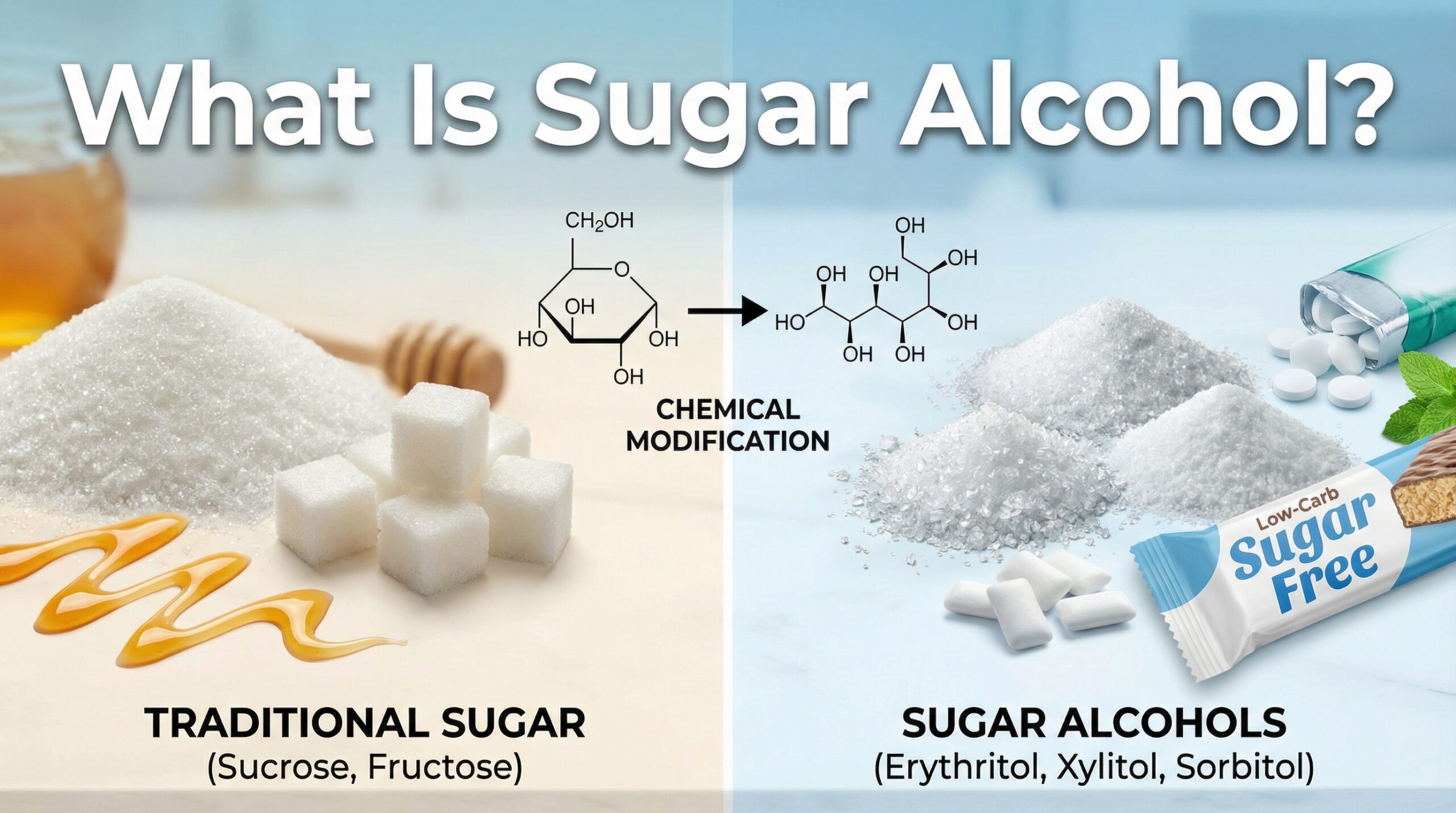
Sugar alcohol can be confusing because of its name. It doesn’t contain ethanol, which is the substance that makes alcoholic drinks intoxicating. Sugar alcohols are a kind of carbohydrate. They have a chemical structure that resembles sugar on one end and alcohol on the other.
These sweeteners are found naturally in small amounts in fruits and vegetables. However, most sugar alcohol used in food products is made synthetically. Manufacturers process sugars from corn, wheat, or other sources to create these compounds.
The food industry has taken to sugar alcohols because they offer sweetness with fewer calories than regular sugar. Table sugar has about 4 calories per gram, while sugar alcohols have around 0.2 to 3 calories per gram, depending on the specific type. This reduction in calories makes sugar alcohol popular in sugar-free and reduced-calorie food products.
How Do Sugar Alcohols Differ From Regular Sugar And Artificial Sweeteners?
Understanding the differences between sugar, sugar alcohols, and artificial sweeteners helps you make better dietary choices. Regular sugar provides intense sweetness but comes with significant drawbacks. Excessive sugar consumption increases risks for diabetes, obesity, and heart disease. Sugar spikes blood sugar levels rapidly, creating sudden increases in blood sugar that strain your metabolism.
Artificial sweeteners like aspartame and sucralose deliver extreme sweetness—often 200 times sweeter than sugar—with virtually zero calories. However, research on artificial sweeteners shows mixed results regarding health effects. Some studies link these sweeteners to increased diabetes risk despite their zero-calorie profile.
Sugar alcohols occupy the middle ground as a sugar substitute. They provide about 40% to 80% sweetness compared to regular sugar. This makes them sweet enough to satisfy cravings without the overwhelming intensity of artificial sweeteners. Sugar alcohols contain fewer calories than sugar while avoiding the chemical composition of fully synthetic sweeteners.
The American Diabetes Association recognizes sugar alcohols as useful tools for people with diabetes. Unlike regular sugar, sugar alcohols have a minimal effect on blood sugar levels. Your body absorbs sugar alcohols slowly and incompletely, preventing the dramatic blood sugar spikes that regular sugar causes.
What Are the Common Sugar Alcohols Found in Food Products?
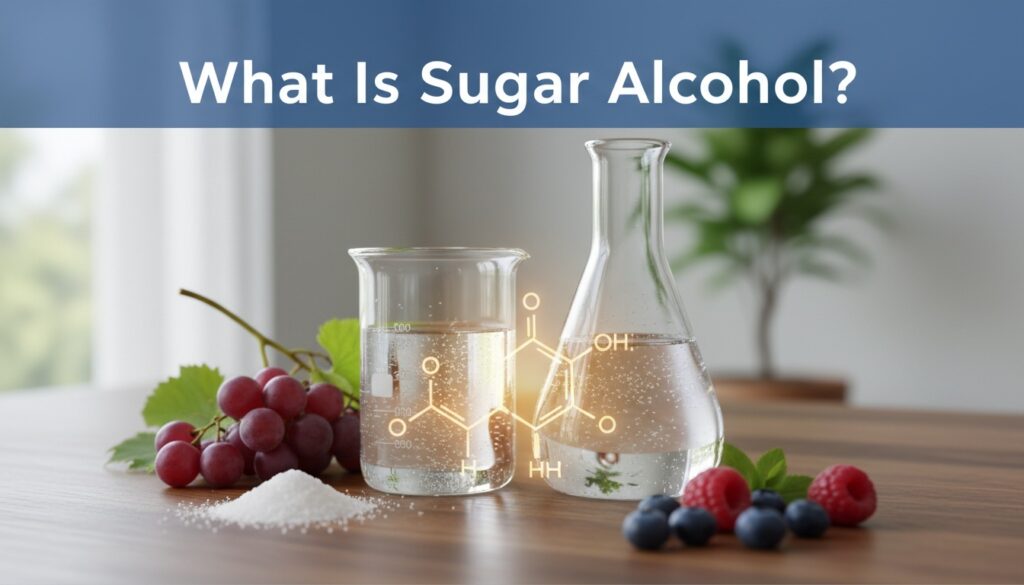
Food manufacturers use several types of sugar alcohols, each with distinct properties. You can spot many sugar alcohols on food labels by looking for names ending in “-ol.”
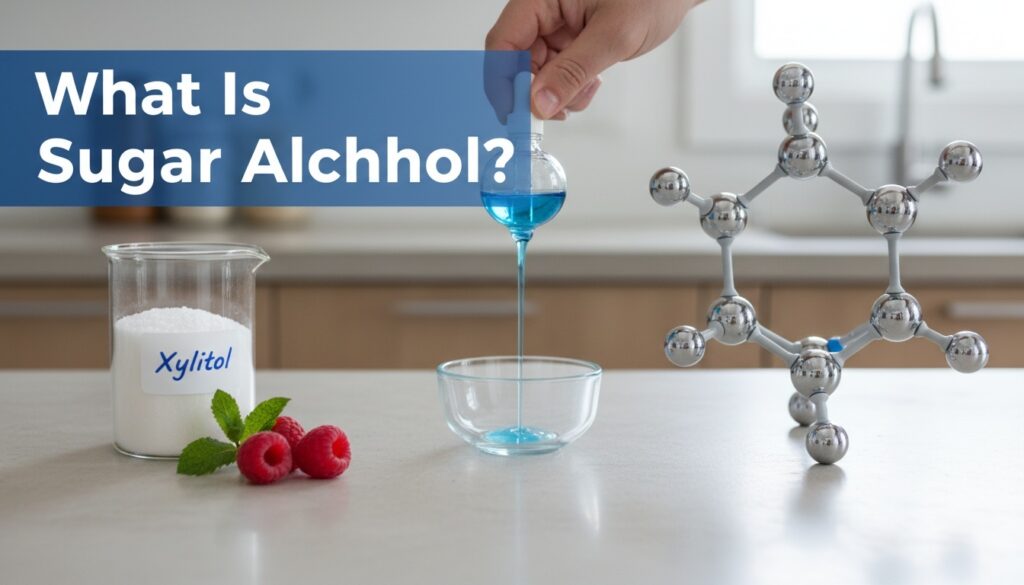
Xylitol ranks among the most popular sugar alcohols. It provides about 60% the sweetness of sugar with roughly 2.4 calories per gram compared to sugar’s 4 calories per gram. Xylitol appears frequently in chewing gum, candy, and mouthwash because it helps prevent tooth decay.
Erythritol has gained attention as another common sugar alcohol. This sweetener provides about 70% the sweetness of sugar but contains only 0.2 calories per gram. Erythritol stands out because your body absorbs most of it into the bloodstream before it reaches the colon, reducing digestive side effects common with other sugar alcohols.
Sorbitol occurs naturally in many fruits but appears in commercial products as a manufactured sweetener. It provides about 60% the sweetness of sugar with roughly 2.6 calories per gram. Food companies use sorbitol in sugar-free foods, diet drinks, and diabetic-friendly products.
Mannitol appears less frequently than other sugar alcohols but serves important purposes in specific food products. It provides about 50-70% the sweetness of sugar. Manufacturers favor mannitol for coatings on candies and chewing gum.
Maltitol delivers sweetness closest to regular sugar—about 75-90% as sweet as sugar. This similarity makes maltitol a popular choice for chocolate and baked goods. However, maltitol contains more calories than other sugar alcohols at about 2.1 calories per gram.
How Does Sugar Alcohol Affect Blood Sugar and Insulin Levels?
The effect on blood sugar represents one of sugar alcohol’s most important characteristics, especially for people with diabetes. Regular sugar rushes into your bloodstream quickly, causing blood sugar levels to surge. This triggers your pancreas to release large amounts of insulin to process the glucose.
Sugar alcohols behave differently. Your digestive system breaks down and absorbs sugar alcohols much more slowly than regular sugar. This gradual absorption means sugar alcohols don’t cause blood sugar spikes the way regular sugar does.
Different sugar alcohols have varying effects on blood sugar levels. Erythritol has almost no effect on blood sugar because your body absorbs it into the bloodstream and excretes it unchanged through urine. Xylitol, sorbitol, and mannitol have minimal impact on blood sugar—much less than regular sugar produces.
Maltitol affects blood sugar more than other sugar alcohols, though still significantly less than regular sugar. This makes understanding the specific type of sugar alcohol in products important for blood sugar management.
For individuals managing diabetes and high blood pressure, sugar alcohols offer a way to enjoy sweet flavors while maintaining better blood sugar control. The reduced effect on blood sugar levels helps prevent the dangerous fluctuations that complicate diabetes management.
What Foods Contain Sugar Alcohols?
Food companies add sugar alcohols to numerous products marketed to people with diabetes and health-conscious consumers. Foods that contain sugar alcohols span multiple categories.
Sugar-free candies rely heavily on sugar alcohols. These products deliver sweetness without the full calorie load of candy made with table sugar. Chocolate bars, hard candies, and gummy treats commonly contain sugar alcohols like maltitol, sorbitol, or xylitol.
Chewing gum represents one of the most common places to find sugar alcohol. Xylitol especially dominates sugar-free gum formulations because it provides sweetness while actively fighting tooth decay. The dual benefit makes it ideal for products that sit in your mouth.
Ice cream and frozen desserts marketed as sugar-free or reduced-calorie typically contain one or more types of sugar alcohols. These products often combine different sugar alcohols to achieve the right texture and sweetness profile.
Baked goods labeled sugar-free often use sugar alcohols as the primary sweetener. Cookies, cakes, and pastries gain structure and sweetness from sugar alcohol without the full calorie content of regular sugar.
Beyond manufactured foods with sugar alcohols, these compounds occur naturally in small quantities. Fruits and vegetables contain trace amounts of sugar alcohol. However, the levels found in whole produce rarely cause the digestive issues associated with concentrated sugar alcohol in processed foods.
Does Sugar Alcohol Have Health Benefits?
Sugar alcohols offer several health effects that make them attractive alternatives to regular sugar. The reduced calorie content stands out as the primary benefit. Foods with sugar alcohols deliver sweetness with 25% to 75% fewer calories than sugar, depending on which specific sugar alcohol the product contains.
Dental health improves with certain sugar alcohols. Xylitol especially helps prevent cavities. Unlike regular sugar, which feeds harmful bacteria in your mouth, xylitol actually inhibits bacterial growth. This protective effect explains why xylitol appears in chewing gum, mouthwash, and other oral care products.
Blood sugar management represents another significant health benefit. The minimal effect on blood sugar makes sugar alcohols valuable for anyone trying to manage diabetes or prevent diabetes development. By avoiding blood sugar spikes, sugar alcohol helps maintain more stable glucose levels throughout the day.
Weight management becomes easier when you cut back on added sugar by choosing products with sugar alcohols. The reduced calorie content means you can enjoy sweet treats while consuming fewer total calories. This calorie reduction supports weight loss efforts when combined with other healthy eating habits.
Sugar alcohols may also support gut health in small amounts by acting as prebiotics. However, this benefit disappears when consumption exceeds your body’s tolerance level.
What Are the Potential Risks and Side Effects of Sugar Alcohols?
Despite their benefits, sugar alcohols have some significant drawbacks that impact many users. The most common side effects involve digestive issues.
Your body doesn’t fully absorb sugar alcohols in the small intestine. The unabsorbed part moves on to your large intestine, where gut bacteria break it down. This process produces gas, which results in bloating and discomfort. Many people have diarrhea when they consume large amounts of sugar alcohol.
Individual tolerance varies dramatically. Some people absorb sugar alcohols without any issues. Others experience digestive distress from even small amounts. Body weight, overall health, gut microbiome composition, and dietary habits all influence how you react to sugar alcohols.
The laxative effect increases with the amount of sugar alcohols consumed. Products containing large amounts of sugar alcohol must include warning labels about potential digestive effects. Starting with small portions helps you gauge your personal tolerance.
Recent research has raised questions about long-term health risks associated with certain sugar alcohols. One study found a potential link between erythritol consumption and cardiovascular events in people with existing heart disease risk factors. However, subsequent research hasn’t confirmed these findings. The health effects of regular sugar alcohol consumption over many years remain under investigation.
Sugar alcohols may also contribute to increased sugar cravings in some individuals. The sweetness trains your palate to expect sweet flavors, potentially making it harder to cut back on added sugar overall.
How Can You Identify Sugar Alcohols on Food Labels?
Reading food labels helps you keep track of your intake of sugar alcohols. The nutrition facts panel shows sugar alcohols separately from other carbohydrates when products have significant amounts.
Look for “sugar alcohols” listed under the total carbohydrate section. Food manufacturers must show grams of sugar alcohols when the amount is more than 0.5 grams per serving. Products in sugar-free sections usually state their sugar alcohol content.
The ingredients list tells you which specific types of sugar alcohols a product has. Names that end in “-ol” indicate the presence of sugar alcohols. Xylitol, sorbitol, mannitol, maltitol, and erythritol are the most common ones. Some products use a combination of different sugar alcohols.
Terms like “sugar-free,” “no added sugar,” or “reduced sugar” on packaging suggest possible sugar alcohol content. These products need sweeteners to replace regular sugar, and sugar alcohols frequently fill that role. However, some sugar-free foods use artificial sweeteners instead of or in addition to sugar alcohols.
Food manufacturers may highlight specific sugar alcohols when they believe consumers view them favorably. Products might advertise “sweetened with xylitol” or “contains erythritol” on front labels.
Are Sugar Alcohols Safe for Everyone?
Most people tolerate moderate amounts of sugar alcohol without serious problems. The Food and Drug Administration recognizes sugar alcohols as generally safe for consumption. However, certain groups should exercise more caution.
People with diabetes can safely use sugar alcohols as part of their diabetes management strategy. The American Diabetes Association includes sugar alcohols among acceptable sweetener options. However, remember that different sugar alcohols affect blood sugar to different degrees. Maltitol raises blood sugar more than erythritol or xylitol.
Individuals with sensitive digestive systems should approach sugar alcohols carefully. Those with irritable bowel syndrome or other gastrointestinal conditions often react more strongly to sugar alcohols. The fermentation that occurs in the colon amplifies existing digestive issues.
Children can consume sugar alcohols safely, but their smaller body size means they may experience side effects at lower doses than adults. Parents should monitor children’s consumption of sugar-free foods containing sugar alcohols.
Pet owners must keep products containing xylitol away from dogs. While safe for humans, xylitol is highly toxic to dogs and can cause life-threatening drops in blood sugar and liver failure. Even small amounts of xylitol pose serious risks to canine health.
How Much Sugar Alcohol Can You Safely Consume?
No official daily limit exists for sugar alcohol consumption. However, practical experience suggests that moderation helps prevent digestive discomfort.
Many people can handle 10 to 15 grams of sugar alcohols per day without problems. Amounts over 20 to 30 grams daily often lead to digestive issues like diarrhea and bloating. These limits differ widely among individuals and depend on the specific sugar alcohol consumed.
Erythritol causes fewer digestive issues than other sugar alcohols because your body absorbs most of it before it reaches the colon. People can often tolerate 30 to 40 grams of erythritol without problems, which is higher than tolerance levels for other sugar alcohols.
Starting gradually helps you determine your personal tolerance. Introduce foods with sugar alcohols in small portions. Monitor how your body responds before increasing consumption. This cautious approach prevents unpleasant surprises.
Spreading sugar alcohol intake throughout the day rather than consuming large amounts at once reduces digestive impact. Your body handles smaller doses more easily than concentrated consumption.
If you experience digestive symptoms from sugar alcohols, reducing your intake usually resolves the problem. Some people find that eliminating specific types of sugar alcohols while continuing to use others works well.
Should You Choose Sugar Alcohols Over Regular Sugar?
The decision to use sugar alcohols instead of regular sugar depends on your health goals and personal tolerance. Sugar alcohols provide legitimate benefits for certain situations while posing challenges in others.
For weight management, sugar alcohols help reduce overall calorie intake. The sweetness satisfies cravings while delivering fewer calories than sugar. This makes sugar alcohols useful when you’re trying to cut back on added sugar without eliminating sweet foods entirely.
Blood sugar control improves when you replace regular sugar with sugar alcohols. The minimal impact on blood sugar levels helps people with diabetes maintain steadier glucose readings. This benefit extends to anyone working to prevent diabetes or improve metabolic health.
Dental health benefits from xylitol and other sugar alcohols that don’t promote tooth decay. Unlike regular sugar, which feeds cavity-causing bacteria, sugar alcohols like xylitol actively fight bacterial growth in your mouth.
However, sugar alcohols aren’t perfect substitutes. The digestive side effects limit how much sugar alcohol many people can comfortably consume. If foods with sugar alcohols cause you digestive distress, the benefits may not outweigh the discomfort.
Consider using sugar alcohols strategically rather than relying on them as your sole sweetener. Occasional use in specific products makes sense. Daily consumption of large amounts of sugar alcohol may cause problems.
Remember that sugar-free doesn’t automatically mean healthy. Food products marketed to people with diabetes or health-conscious consumers may contain sugar alcohols but still pack significant amounts of fat, sodium, or refined flour. Read complete nutrition information rather than focusing solely on sugar content.
Making Informed Choices About Sugar and Sugar Alcohols
Understanding sugar alcohol helps you make better dietary choices. These sweeteners have real benefits for lowering calorie intake and controlling blood sugar. They allow you to enjoy sweetness while avoiding the downsides of eating too much sugar.
Begin by figuring out which types of sugar and sugar substitutes suit your body best. Notice how you feel after eating foods with sugar alcohols. Some people do well using sugar alcohols frequently. Others find it works better to use them only for occasional treats.
Prioritize whole foods over processed options whenever possible. Fruits and vegetables provide natural sweetness along with fiber, vitamins, and minerals. These whole foods satisfy sweet cravings while delivering genuine nutrition.
When you do choose processed foods, read labels carefully. Understanding grams of sugar versus grams of sugar alcohols helps you track your total carbohydrate intake accurately. This knowledge proves especially important for diabetes management.
Balance remains key. Sugar alcohols serve as one tool among many for reducing sugar intake. Combine them with other strategies like eating more whole foods, staying physically active, and managing portion sizes.
Essential Facts About Sugar Alcohol Worth Remembering
- Sugar alcohols are neither sugar nor alcohol: Despite the confusing name, these compounds represent a unique type of carbohydrate with a chemical structure that’s similar to sugar, occurring naturally in fruits and vegetables though most commercial versions are synthetically produced
- Calorie content falls between sugar and zero-calorie sweeteners: Sugar alcohol provides 0.2 to 3 calories per gram compared to sugar’s 4 calories per gram, offering sweetness with 25% to 75% fewer calories than regular sugar
- Blood sugar impact remains minimal: Sugar alcohols affect blood sugar levels much less than regular sugar because your body absorbs them slowly and incompletely, making them valuable for people with diabetes trying to manage diabetes effectively
- Common types include xylitol, erythritol, sorbitol, mannitol, and maltitol: Each sugar alcohol has distinct sweetness levels and calorie content, with xylitol and erythritol being most common in sugar-free products
- Digestive side effects limit consumption: The main drawback of sugar alcohols involves gastrointestinal problems including bloating, gas, and diarrhea when consumed in amounts exceeding personal tolerance, typically above 20-30 grams daily
- Dental health benefits from xylitol: Unlike regular sugar that promotes tooth decay, xylitol actively inhibits harmful bacteria growth in the mouth, explaining its popularity in chewing gum and mouthwash
- Found extensively in sugar-free foods: Sugar alcohols appear in candy, chewing gum, ice cream, baked goods, and other products marketed as sugar-free or reduced-calorie options
- Individual tolerance varies dramatically: Some people absorb sugar alcohols with no issues while others experience digestive distress from small amounts, requiring gradual introduction to determine personal limits
- Not all sugar alcohols affect the body identically: Erythritol causes fewer digestive problems because your body absorbs most of it before reaching the colon, while maltitol has a stronger effect on blood sugar than other types of sugar alcohols
- Strategic use beats wholesale replacement: Sugar alcohols work best as occasional alternatives rather than daily substitutes for all sweeteners, supporting efforts to cut back on added sugar while avoiding excessive consumption that triggers unwanted side effects
