

Is Alcohol A Stimulant or a Depressant? The Truth About How Drinking Affects Your Brain
Understanding alcohol’s classification matters more than you think. This article cuts through the confusion about whether alcohol is a stimulant or a depressant, explains how alcohol affects your brain and central nervous system, and provides critical information about the relationship with alcohol that can impact your health. Whether you’re enjoying a glass of wine in Napa or a cocktail in Los Angeles, knowing what alcohol actually does to your body helps you make informed choices about your drinking habits.
What Makes Alcohol a Depressant?
Alcohol is a depressant. That’s the simple answer. But what does this actually mean?
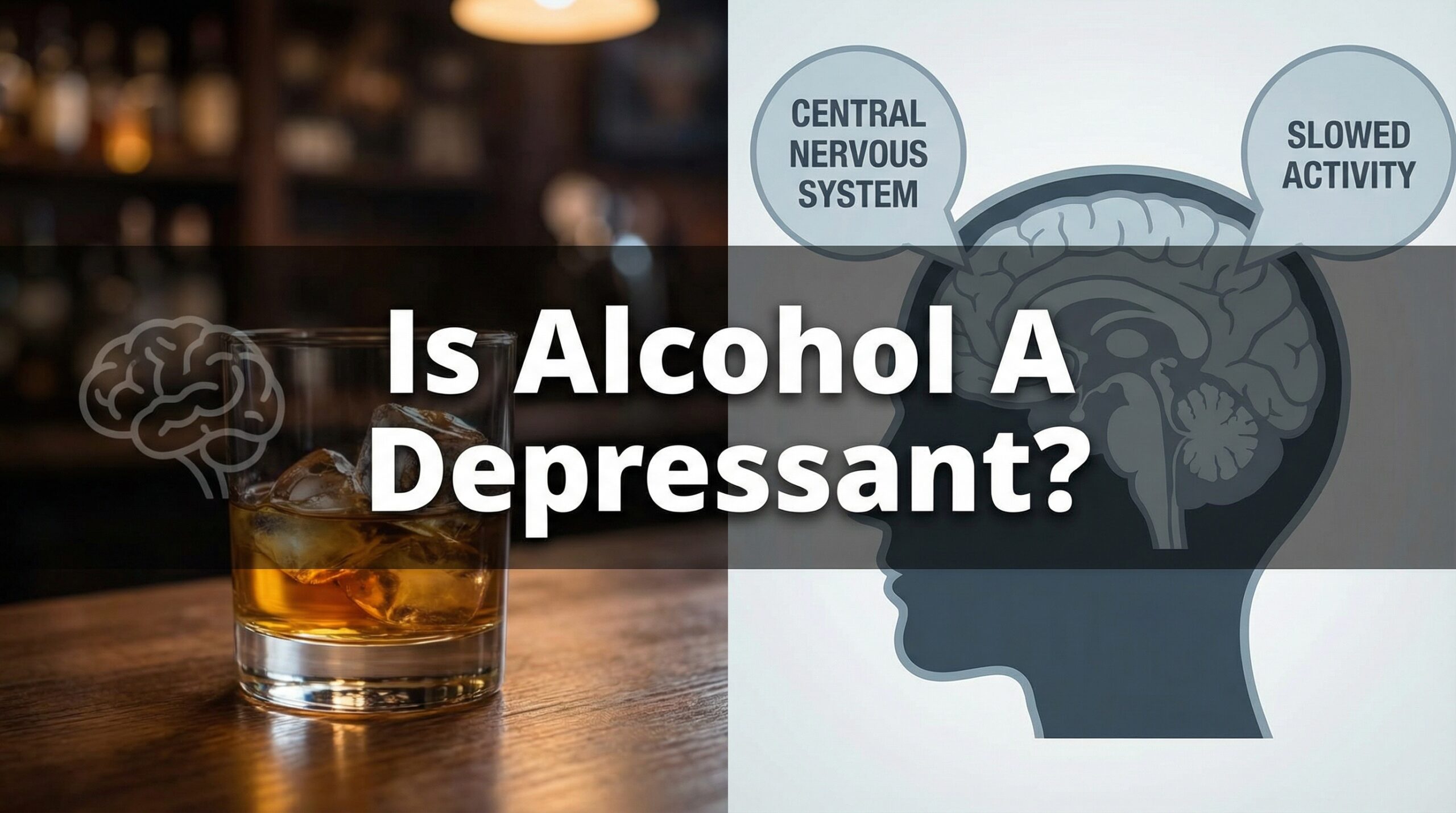
When we say alcohol is categorized as a depressant, we’re talking about its effect on the central nervous system. Alcohol slows down brain function and neural activity. It’s classified as a central nervous system depressant because it reduces arousal and stimulation throughout your body. This happens at a chemical level, where alcohol interferes with neurotransmitter communication in the brain.
The depressant effects of alcohol begin almost immediately after you drink alcohol. Your reaction time slows. Your coordination suffers. Your judgment becomes impaired. These aren’t side effects—they’re the direct result of alcohol acting as a depressant that slows your brain’s processing speed and ability to function normally.
How Does Alcohol Affect the Brain and Central Nervous System?
The effect of alcohol on your brain involves multiple complex processes. Alcohol affects neurotransmitter systems that regulate everything from mood to movement. Specifically, alcohol enhances the effects of GABA (gamma-aminobutyric acid), a neurotransmitter that inhibits brain activity. At the same time, alcohol inhibits glutamate, which normally excites the nervous system.
When you consume alcohol, it also impacts dopamine production. This creates feelings of pleasure and reward. However, this doesn’t make alcohol a stimulant—it’s still functioning as a depressant drug while simultaneously triggering your brain’s reward system. The National Institute on Alcohol Abuse and Alcoholism has extensively documented these mechanisms.
The amount of alcohol consumed determines the severity of these effects. At low blood alcohol concentration levels, the depressant effects may seem mild. As more alcohol enters the bloodstream, the depressant effects intensify. This can progress to dangerous levels, including alcohol poisoning, where the depressant effects become life-threatening.
Why Does Alcohol Feel Like a Stimulant at First?
Here’s where things get confusing. Many people wonder: is alcohol a stimulant or a depressant? The answer is that alcohol is a depressant with initial stimulant-like effects.
When you first drink alcohol, you might feel energized, talkative, and confident. This stimulant effect occurs because alcohol’s depressant effects first hit the parts of your brain responsible for inhibition and self-control. By slowing down your inhibitions, alcohol can make you feel more outgoing and less anxious. This creates the illusion that alcohol acts like a stimulant.
However, these stimulant effects of alcohol are short-lived and misleading. What you’re experiencing isn’t actual stimulation—it’s the removal of restraints. As alcohol consumption continues, the true depressant nature becomes apparent. Coordination deteriorates. Speech slurs. Mental clarity fades. These are classic signs of a central nervous system depressant at work.
Does the Amount of Alcohol Change Its Effects?
The amount of alcohol consumed dramatically changes how alcohol affects your brain and body. Small amounts of alcohol might produce those initial stimulant-like feelings of euphoria and sociability. As alcohol levels rise in your system, the depressant effects become dominant and impossible to ignore.
Blood alcohol concentration is the key measurement here. At lower concentrations, you might experience decreased inhibitions. At moderate levels, you’ll notice impaired judgment and coordination. At high concentrations, the depressant effects can lead to unconsciousness, respiratory depression, and potentially death. This progression illustrates why alcohol is considered a depressant throughout its entire effect curve.
Binge drinking—defined as consuming large amounts of alcohol in a short period—accelerates this progression. The rapid increase in blood alcohol concentration overwhelms your system with depressant effects. This is when the risk of alcohol poisoning becomes serious. Excessive alcohol use in this manner can lead to alcohol poisoning, requiring immediate medical attention.
What Is the Connection Between Alcohol and Mental Health?
The relationship between alcohol and mental health runs deep. Because alcohol is a depressant, it directly impacts mood regulation and emotional processing. Regular alcohol use can contribute to or worsen mental health conditions, particularly depression and anxiety.
Many people turn to alcohol seeking relief from stress or emotional pain. This creates a dangerous cycle. While alcohol may provide temporary relief, its depressant effects ultimately worsen mood problems. Research shows that heavy alcohol use significantly increases the risk of developing clinical depression. The relationship with alcohol and depression is bidirectional—depression can lead to alcohol abuse, and alcohol abuse and alcoholism can trigger or intensify depression.
Alcohol and depression form a particularly harmful combination. The sedative effects of alcohol can make you feel temporarily better, but alcohol’s depressant effects on brain chemistry actually deepen depression over time. People struggling with alcohol dependence often find that their mental health improves significantly when they stop or reduce their drinking.
Can Alcohol Lead to Addiction?
Alcohol addiction develops through multiple pathways. The depressant effects of alcohol create physical dependence in heavy users. When you rely on alcohol to feel normal, your brain chemistry has adapted to alcohol’s presence. This is alcohol dependence.
Alcohol use disorder affects millions of people. The condition ranges from mild to severe and includes both physical and psychological components. Addiction occurs when someone becomes physically dependent on alcohol and cannot function without it. Alcohol withdrawal symptoms can be severe and even dangerous, requiring medical supervision for safe detoxification.
The progression to alcohol addiction often follows a predictable pattern. What starts as occasional alcohol use may escalate to regular drinking. Over time, tolerance to alcohol develops. You need more alcohol to achieve the same effects. This increased consumption strengthens both the physical and psychological aspects of addiction. Drug and alcohol addiction specialists recognize this pattern and have developed effective alcohol treatment options.
What Are the Warning Signs of Alcohol Misuse?
Recognizing symptoms of alcohol misuse early makes treatment more effective. Physical signs include increased tolerance to alcohol, experiencing alcohol withdrawal symptoms when not drinking, and continuing to drink despite negative consequences. Behavioral indicators include drinking more alcohol than intended, unsuccessful attempts to cut back, and spending excessive time drinking or recovering from alcohol’s effects.
Alcohol abuse differs slightly from alcohol use disorder, though they’re related. Alcohol misuse refers to drinking patterns that put health at risk, even if addiction hasn’t developed. This includes binge drinking, drinking and driving, and using alcohol in dangerous situations. Both alcohol abuse and alcoholism require professional attention and intervention.
Someone struggling with alcohol use may exhibit personality changes, neglect responsibilities, and experience relationship problems. These signs often worsen gradually. If you recognize these patterns in yourself or someone else, seeking help for alcohol problems is crucial. The earlier intervention occurs, the better the outcomes typically are.
How Does Alcohol Compare to Other Depressants?
Alcohol and other depressants share similar mechanisms of action. Benzodiazepines, barbiturates, and certain sleep medications are also central nervous system depressants. They all slow brain activity and neural processing. However, each substance has unique characteristics and risks.
Mixing alcohol and other depressants is extremely dangerous. The combined depressant effects can be synergistic, meaning they multiply rather than simply add together. This dramatically increases the risk of respiratory depression, unconsciousness, and death. Many accidental overdoses involve alcohol and drug combinations, even when neither substance alone is consumed in lethal amounts.
The depressant because it slows breathing and heart rate applies to all substances in this category. When multiple depressants are present simultaneously, the cumulative effect on these vital functions can become fatal. This is why mixing alcohol with prescription medications, particularly those with sedative effects, is so dangerous.
What Treatment Options Exist for Alcohol Problems?
Treatment for alcohol problems includes multiple approaches. Medical detoxification addresses the physical aspects of alcohol dependence. During this phase, healthcare providers manage alcohol withdrawal symptoms safely. Alcohol withdrawal can be dangerous, and professional supervision prevents serious complications.
Alcohol rehab programs offer various levels of care. Inpatient treatment provides 24-hour support in a controlled environment. Outpatient programs allow people to continue working while receiving treatment. Both approaches typically combine behavioral therapy, counseling, and sometimes medication. The alcohol treatment options available today are more effective than ever before.
Help for alcohol addiction is widely available. Support groups provide ongoing encouragement and accountability. Therapy helps address underlying issues that contribute to alcohol use. Some people benefit from medications that reduce cravings or make drinking unpleasant. A comprehensive treatment plan often combines several of these elements. Alcohol rehab success rates improve when treatment addresses both the physical addiction and psychological factors.
What Happens During Alcohol Withdrawal?
Alcohol withdrawal occurs when someone who is dependent on alcohol stops drinking. The symptoms can range from mild to severe and potentially life-threatening. Mild alcohol withdrawal symptoms include anxiety, tremors, sweating, and nausea. These typically appear within hours of the last drink.
Severe alcohol withdrawal symptoms are more dangerous. Hallucinations, seizures, and delirium tremens (DTs) can occur. DTs include confusion, rapid heart rate, fever, and severe agitation. This condition requires immediate medical attention. The risk of severe withdrawal increases with the duration and amount of heavy alcohol use.
Medical professionals can provide medications that make alcohol withdrawal safer and more comfortable. Benzodiazepines are commonly used to prevent seizures and reduce anxiety during withdrawal. Close monitoring ensures that complications are caught and treated quickly. Never attempt to quit heavy alcohol use without medical supervision—the risks are simply too high.
How Can Someone Develop a Healthier Relationship With Alcohol?
Understanding that alcohol is a central nervous system depressant helps inform healthier choices. If you choose to drink, moderation is key. The effects that alcohol produces at low doses are very different from excessive alcohol consumption. Setting limits based on standard drink definitions helps control intake.
Regular self-assessment helps identify problematic patterns early. Ask yourself: Do I drink more than I intend to? Do I use alcohol to self-medicate emotional problems? Has my alcohol consumption increased over time? Honest answers to these questions can reveal when alcohol use may be transitioning to alcohol misuse.
For those struggling with alcohol, professional help is available. The misconception that alcohol is harmless because it’s legal prevents many people from seeking help. However, recognizing that alcohol is considered a dangerous depressant drug should motivate action. Whether you need to reduce consumption or stop completely, alcohol treatment options exist to support your goals.
Key Takeaways: Understanding Alcohol as a Depressant
- Alcohol is definitively a depressant that slows central nervous system function, despite initial stimulant-like effects from reduced inhibitions
- The effect of alcohol on your brain involves enhancing GABA (inhibitory neurotransmitter) while suppressing glutamate (excitatory neurotransmitter), leading to decreased brain activity
- Blood alcohol concentration determines severity of depressant effects, from mild impairment at low levels to potentially fatal alcohol poisoning at high concentrations
- Alcohol and mental health are deeply connected with regular alcohol use worsening depression and anxiety despite temporary relief feelings
- Alcohol addiction develops gradually through physical dependence and alcohol use disorder, requiring professional treatment including medical supervision during withdrawal
- Mixing alcohol and other depressants creates dangerous synergistic effects that can lead to respiratory failure and death
- Treatment for alcohol problems is effective when combining medical care, therapy, support groups, and sometimes medication, with outcomes improving through early intervention
- Alcohol withdrawal symptoms can be life-threatening in heavy users, requiring medical supervision to safely manage the detoxification process
- Recognizing symptoms of alcohol misuse early including increased tolerance, unsuccessful attempts to cut back, and drinking despite consequences enables more successful treatment
- A healthier relationship with alcohol requires understanding its true nature as a central nervous system depressant and setting appropriate limits based on that reality